
Taking mindful breathing breaks throughout the day is a simple yet powerful way to reduce stress, improve focus, and boost overall well-being. If you’re new to mindfulness or breathing exercises, this guide will help you get started with easy and effective techniques that fit into any schedule.
What is Mindful Breathing?
Mindful breathing is the practice of paying intentional attention to your breath — how it flows in and out — without trying to change it. This awareness helps anchor your mind in the present moment, reducing anxiety and promoting relaxation.
Unlike deep breathing exercises that focus on specific breath patterns, mindful breathing encourages gentle observation and acceptance of your natural breath rhythm.
Why Take Mindful Breathing Breaks?
Adding mindful breathing breaks to your daily routine can:
– Reduce feelings of stress and overwhelm
– Increase mental clarity and focus
– Lower blood pressure and promote relaxation
– Help manage emotional responses
– Improve sleep quality when practiced regularly
Brief mindful pauses allow you to step away from distractions and reset your mind, making them beneficial even during busy or hectic days.
How to Prepare for Your Breathing Break
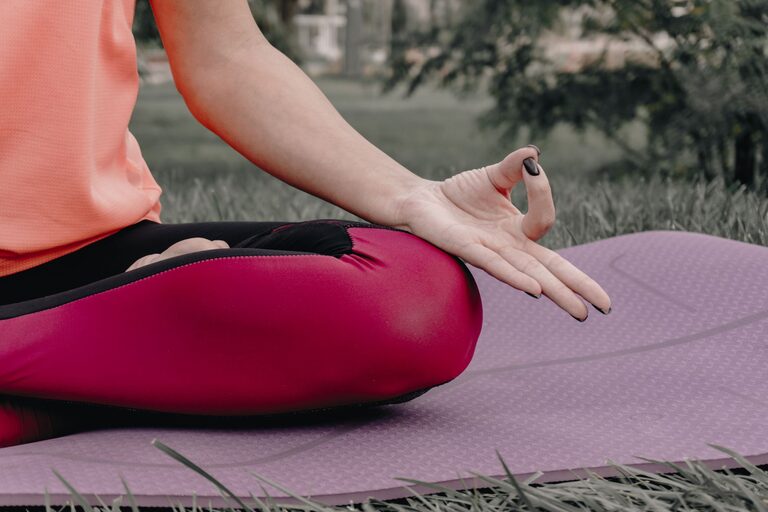
Before you begin, find a comfortable and quiet spot where you won’t be disturbed for a few minutes. You can sit in a chair with your feet flat on the floor, cross-legged on the ground, or even lie down if that feels better.
Wear loose clothing and make sure your posture is relaxed but upright. If you prefer, close your eyes to help minimize distractions.
Beginner Tips for Practicing Mindful Breathing
1. Start Small
If you’re new, begin with 1-2 minutes of mindful breathing and gradually increase to 5 or 10 minutes as you feel comfortable. Short sessions are better than trying to do too much at once.
2. Focus on Your Breath
Notice the sensation of your breath entering and leaving your nostrils or the rise and fall of your chest or belly. Pick whichever area feels most natural.
3. Observe Without Judgment
It’s normal for your mind to wander. When thoughts come, gently acknowledge them without criticism and bring your attention back to your breath.
4. Maintain a Steady, Natural Rhythm
Don’t force your breathing to be deep or slow; simply observe how it naturally flows in and out.
5. Use a Timer or App
Timed sessions can help you stay consistent. Many free apps offer guided mindful breathing exercises that are helpful for beginners.
Simple Mindful Breathing Techniques
Here are a few easy exercises to try during your breaks:
Basic Mindful Breathing
- Sit comfortably and close your eyes if you like.
- Take a few deep breaths to relax your body.
- Focus your attention on your regular breath.
- When your mind wanders, gently return attention to breathing.
- Continue for 3 to 5 minutes.
- Inhale naturally and silently count “one.”
- Exhale and count “two.”
- Continue counting up to five, then start over.
- If you lose count, gently start again at one.
- Practice for 3 to 5 minutes.
- Inhale for 4 seconds.
- Hold your breath for 4 seconds.
- Exhale for 4 seconds.
- Pause for 4 seconds.
- Repeat for several cycles, focusing on the count.
Counting the Breath
4-4-4 Breathing (Simple Box Breathing)
Incorporating Mindful Breathing Breaks into Your Day
– Morning start: Begin your day with a 3-minute mindful breathing break to set a calm tone.
– Work pauses: Take mindful breathing breaks every 1-2 hours to refresh your focus.
– Before meals: Breathe mindfully for a moment to help you eat with greater awareness.
– Stress moments: Pause for mindful breathing when feeling anxious or overwhelmed.
– Before bed: End your day with a calming mindful breathing practice to promote better sleep.
Tips for Staying Consistent
– Schedule your breathing breaks like appointments in your calendar.
– Use reminders on your phone or computer.
– Start the habit paired with something you already do, like before coffee or after checking emails.
– Be patient and kind with yourself if you miss a session. Consistency builds over time.
Common Questions for Beginners
Q: Can mindful breathing help with anxiety?
A: Yes, mindful breathing can reduce anxiety by calming the nervous system and shifting focus away from negative thoughts.
Q: Do I need special training or equipment?
A: No. Mindful breathing requires no equipment and can be done anywhere.
Q: What if I can’t sit still or focus?
A: That’s normal! Start with very short sessions and be gentle with your attention. Mindfulness improves with regular practice.
—
Mindful breathing breaks are a valuable tool for improving mental and physical wellness. Starting small and practicing regularly helps you cultivate calm and focus even during busy days.
Try these beginner tips today and enjoy the simple benefits of mindful breathing!
About the Author