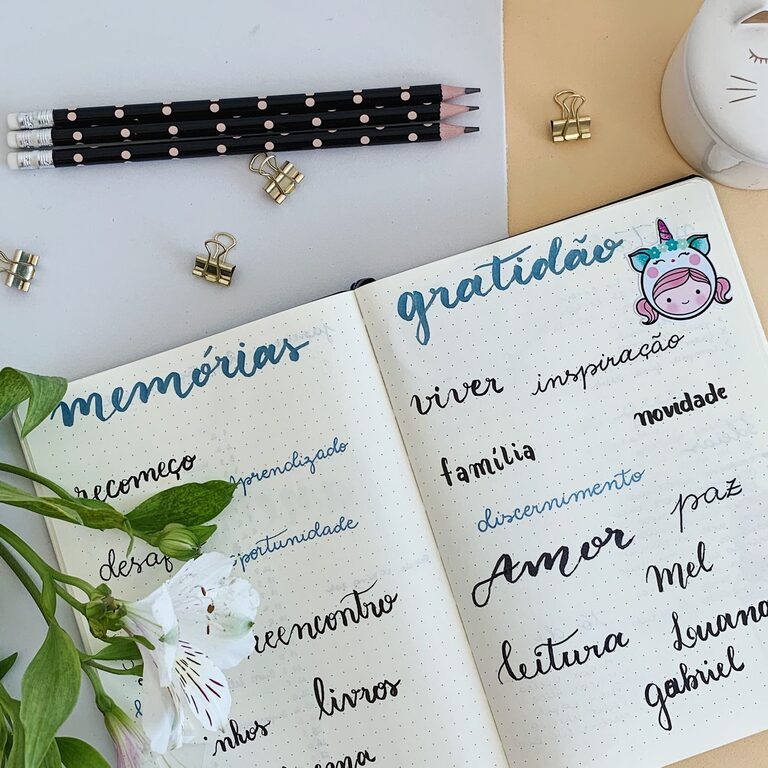

Journaling is a simple yet powerful way to improve your mental clarity, boost creativity, and track personal growth. If you’re new to journaling or looking for ways to make it a daily habit, this beginner’s guide will walk you through practical tips to get started and stay motivated.
Why Journal Every Day?
Journaling daily offers many benefits beyond just recording your day. It can:
– Enhance self-awareness by allowing you to reflect on your thoughts and feelings
– Reduce stress and anxiety by providing an outlet for your emotions
– Improve writing skills and creativity through regular practice
– Help you set and track goals, making progress more visible
– Foster gratitude and positivity by focusing on what went well
Consistency is key to experiencing these benefits, which is why daily journaling—no matter how brief—can make a big difference.
Getting Started: What You’ll Need
You don’t need anything fancy to start journaling. Here’s what you should have:
– A notebook or journal: Choose one that feels good to use, whether it’s a simple lined notebook or a guided journal.
– A pen or pencil: Pick whatever writing tool you enjoy.
– A comfortable space: Find a quiet spot where you can write without distractions.
– A set time: Decide on a time that works best for you, like morning or before bed.
If you prefer digital, many apps and word processors work, but a physical journal often helps minimize distractions.
Simple Daily Journaling Techniques
Starting can feel overwhelming, but it doesn’t have to be complicated. Here are some easy approaches:
1. Free Writing
Set a timer for 5 to 10 minutes and write whatever comes to mind. Don’t worry about grammar or spelling. This practice helps clear your mind and encourages honesty.
2. Gratitude Journal
Write down 3 things you are grateful for each day. This can shift your focus to the positive aspects of life.
3. Daily Highlights
Summarize the best part of your day. It encourages mindfulness and a focus on uplifting moments.
4. Prompt-Based Journaling
Use prompts like “What made me smile today?” or “What challenge did I overcome?” to spark ideas if you’re stuck.
Tips to Make Journaling a Daily Habit
Building a new habit takes time, but these tips can help you stick with journaling:
– Keep it short: Even 5 minutes daily is beneficial.
– Set reminders: Use phone alarms or sticky notes as prompts.
– Make it enjoyable: Use colorful pens, stickers, or doodle as you write.
– Be flexible: Some days you might write a lot; others just a sentence or two is fine.
– Reflect on your progress: Once a week, review past entries to see patterns and growth.
Overcoming Common Challenges
“I don’t know what to write.”
Using prompts or free writing can break this block. Remember, journaling is for you, so there’s no wrong way.
“I’m too busy.”
Integrate journaling into a daily routine, like after breakfast or just before sleep. Short, consistent sessions beat long sporadic ones.
“I’m afraid someone might read it.”
Keep your journal in a private place or use password-protected apps if digital journaling is preferred.
Final Thoughts
Daily journaling doesn’t have to be perfect or lengthy. The most important step is simply to start. Over time, you may find that this small habit leads to greater self-understanding, clarity, and happiness. Pick your favorite method, set a daily time, and watch your journal become a trusted companion on your journey of personal growth. Happy writing!
About the Author