
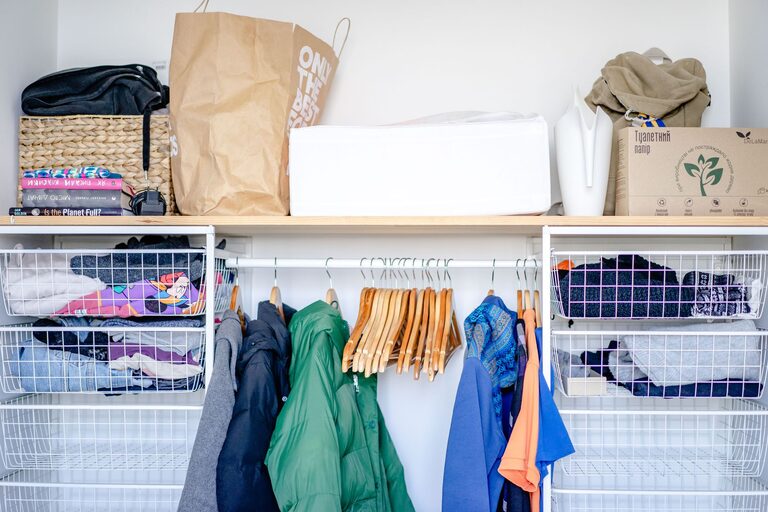
Storing seasonal clothes efficiently is a smart way to keep your home organized and make the most of your closet space. Whether you’re putting away summer t-shirts or bulky winter coats, having a system in place helps protect your clothes and makes it easier to find what you need when the seasons change. In this post, we’ll explore practical tips and storage ideas to keep your seasonal wardrobe neat, accessible, and well-preserved.
Why Efficient Seasonal Storage Matters
Clothing that is not in use for several months can take up valuable space and collect dust, wrinkles, or even damage from pests if not stored properly. Efficient storage helps:
– Protect your garments from moisture, dust, and pests
– Free up closet or dresser space for current season clothes
– Make seasonal transitions smoother and faster
– Extend the life of your clothes by keeping them in good condition
Preparing Clothes for Storage
Before you pack away your clothes, take some time to prepare them properly. This step ensures your clothes stay fresh and ready to wear when you bring them back out.
Clean Everything Thoroughly
Always wash or dry clean seasonal items before storing. Stains, dirt, and oils can attract moths or cause damage over time. Make sure the clothes are completely dry to prevent mold or mildew growth.
Repair and Sort
Check for any loose buttons, broken zippers, or small tears and fix them. Then, sort clothes by type or frequency of use to make retrieving items easier later on.
Deodorize and Protect
Use natural remedies like baking soda or charcoal bags to absorb odors. You can also add lavender sachets or cedar blocks to repel moths without harsh chemicals.
Best Storage Solutions for Seasonal Clothes
Choosing the right containers and storage methods keeps your clothes safe and organized.
Use Breathable Storage Containers
Plastic tubs that seal tightly are good for protecting clothes from moisture and pests, but they can trap humidity and cause mildew. For long-term storage, consider breathable fabric bins or vacuum-sealed bags designed for clothing.
Vacuum-Sealed Bags: Space-Saving but Use with Care
Vacuum-sealed bags compress bulky items such as sweaters and coats to save space. However, it’s best not to store delicate fabrics or clothes with embellishments in these bags, as the compression can damage them.
Hanging vs. Folding
– Hanging: Use durable garment bags for coats and dresses. This prevents wrinkles and keeps items ready-to-wear.
– Folding: For knitwear or t-shirts, fold them neatly to avoid stretching. Avoid hanging heavy sweaters as that can deform their shape.
Label Everything
Clearly label bins or bags with their contents. This simple step saves time and frustration later when you want to find a specific item.
Tips for Storing Seasonal Clothes by Type
Different types of clothes require slightly different storage care.
Winter Clothes
– Store sweaters folded to avoid stretching.
– Use cedar balls or sachets to keep moths away from wool and cashmere.
– Hang coats in garment bags for protection.
Summer Clothes
– Wash and dry completely to avoid mold.
– Fold and store in breathable bins.
– Keep swimsuits and delicate fabrics away from direct light to prevent fading.
Organizing Your Storage Space
Where you store your seasonal clothes is just as important as how you store them.
Closet Storage
If you have a spacious closet, allocate a high shelf or a separate section for off-season clothes. Use uniform bins and label them for a tidy look.
Under-Bed Storage
Flat bins designed to slide under your bed are excellent for items you want easily accessible but out of the way.
Attic or Basement Storage
If you use these spaces, ensure containers are sealed tightly and elevated off the floor to prevent moisture damage.
Maintaining Your Seasonal Clothes Storage
To keep your stored clothes in good condition:
– Check your storage every few months for signs of moisture, pests, or damage.
– Refresh natural repellents like cedar blocks or lavender sachets.
– Air out garments occasionally to prevent musty odors.
Final Thoughts
Efficiently storing seasonal clothes doesn’t have to be complicated or time-consuming. With a little preparation and the right storage methods, you can keep your wardrobe organized, save space, and protect your clothes all year long. Remember, keeping your storage system simple and well-labeled is key to stress-free seasonal transitions.
Try these tips for your next seasonal swap and enjoy a clutter-free closet all-year-round!
About the Author