
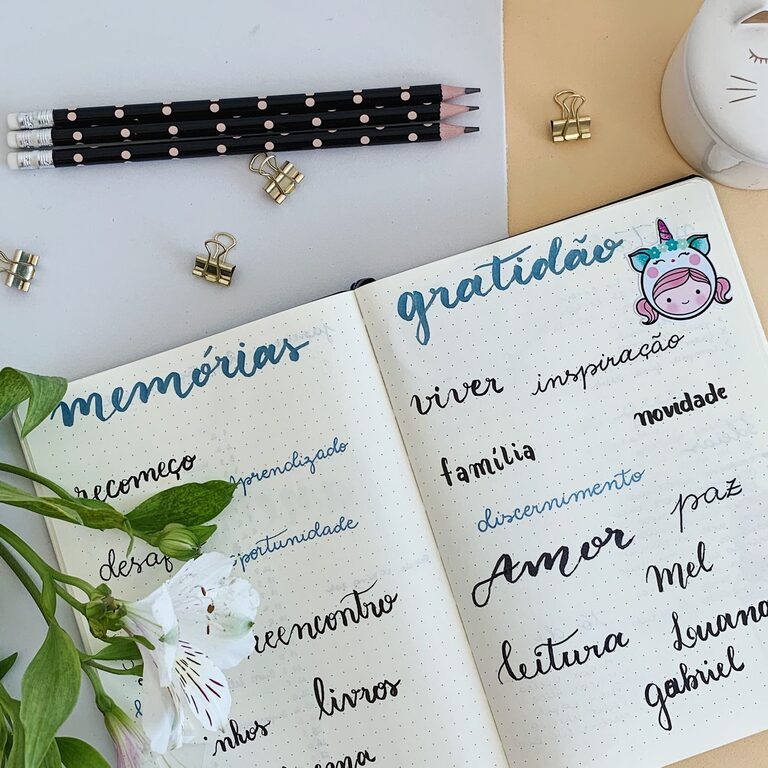
Gratitude journaling is a powerful yet simple practice that can help you focus on the positive aspects of your life. By regularly writing down things you’re thankful for, you cultivate a mindset of appreciation that can improve your mood, reduce stress, and increase overall happiness. If you’re new to gratitude journaling, this guide will walk you through easy steps to get started and keep the habit going.
What Is a Gratitude Journal?
A gratitude journal is a personal diary where you record things you feel grateful for. It can include anything from big moments like a promotion at work to small pleasures like a warm cup of tea. The goal is to shift your attention from what’s lacking or stressful to what brings joy and contentment.
Benefits of Keeping a Gratitude Journal
Before diving into the how-to, it’s helpful to understand why a gratitude journal can be so beneficial:
– Improves mental health: Regularly practicing gratitude has been linked to reduced symptoms of depression and anxiety.
– Boosts happiness: Focusing on positive aspects increases feelings of joy and satisfaction.
– Enhances sleep: Writing in a gratitude journal before bed can promote better rest.
– Strengthens relationships: Noticing and appreciating others fosters deeper connections.
– Encourages mindfulness: It helps you stay present and aware of daily blessings.
How to Start a Gratitude Journal
1. Choose Your Journal
You don’t need anything fancy to start. Select a notebook, planner, or digital app that feels comfortable and accessible. Some people prefer a beautiful journal to inspire writing, while others like the convenience of phone apps or simple documents. The key is to pick something you will consistently use.
2. Set a Regular Time
Consistency helps build a habit. Decide on a time of day that works best for you. Many people find journaling in the morning sets a positive tone for the day, while others prefer writing before bed to reflect. Even just 5 minutes daily can make a difference.
3. Start Small
If the idea of listing many things feels overwhelming, begin with just one or two items you’re grateful for each day. Over time, you may naturally write more. The important part is to make it manageable and enjoyable.
4. Be Specific and Personal
General statements like “I’m grateful for my family” are good, but specific details make the practice more meaningful. For example, “I’m grateful for my sister’s call today that made me laugh.” This specificity helps you relive positive moments and deepen your gratitude.
5. Use Prompts When Stuck
If you’re unsure what to write, prompts can spark ideas. Here are a few to try:
– What made me smile today?
– What’s a kindness I received recently?
– What is something I take for granted but appreciate?
– Who is someone that inspired me this week?
– What’s a simple pleasure I enjoyed today?
6. Mix It Up
Keep your journal interesting by varying your entries. Include lists, short stories, drawings, or even photos. You might also write about challenges you faced and how they helped you grow, highlighting the silver linings.
Tips to Maintain Your Gratitude Journal
– Keep it accessible: Store your journal somewhere visible or set reminders on your phone.
– Don’t worry about perfection: Your journal is for you—no need for perfect grammar or spelling.
– Celebrate progress: Occasionally reread past entries to see how your gratitude has grown.
– Combine with other practices: Pair journaling with meditation or deep breathing for enhanced mindfulness.
– Be patient: Like any habit, it takes time to stick. If you miss a day, don’t get discouraged—just start again.
Final Thoughts
Starting a gratitude journal is a simple step toward a more positive and mindful life. It doesn’t require special skills or extra time—just a little commitment and an open heart. As you practice daily gratitude, you may find your perspective shifts naturally toward joy, peace, and contentment. Why not start today and see how this small habit can brighten your life?
About the Author